breedveld.org

Turning AI into business value

Author: widefield

  • Organic marketing

    Organic marketing

    Organic marketing refers to the promotion of products or services through natural or unpaid means, such as social media, search engines, and content marketing. In contrast to paid advertising, organic marketing focuses on building a strong online presence and relationship with customers through engaging and informative content.

    What others do

    There are several reasons why companies should switch to organic marketing. Firstly, organic marketing is often more cost-effective than paid advertising. As opposed to paying for ads, organic marketing utilizes social media, search engines, and other online platforms to reach customers without incurring additional costs. Additionally, organic marketing helps to build trust and credibility with customers, as it relies on providing valuable and informative content, rather than simply promoting a product or service.

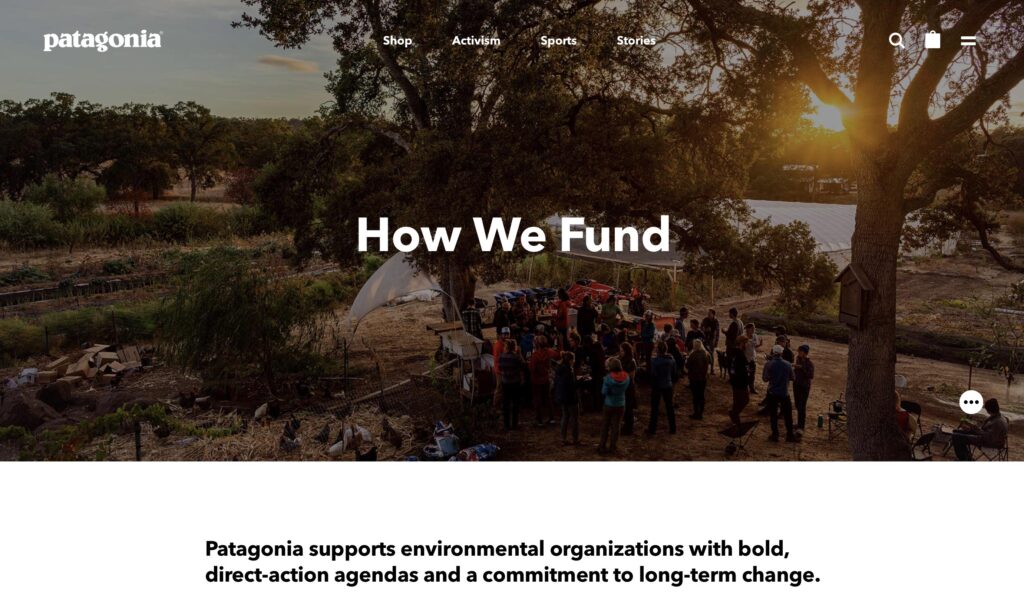
    One example of a company that successfully utilizes organic marketing is Patagonia, an outdoor clothing and gear company. Patagonia uses its website and social media channels to share information about sustainable practices and environmental causes, rather than just promoting its products. This has not only helped to build trust and credibility with customers, but it has also helped to position the company as a leader in the sustainable fashion industry.
    Another example is Hubspot, a leading inbound marketing and sales software company. Hubspot uses its blog, ebooks, and other content to educate and inform potential customers about inbound marketing, while also promoting its own software. This approach has helped to establish Hubspot as a thought leader in the industry, and has also helped to generate leads and increase sales.

    Conclusion: In conclusion, companies should switch to organic marketing for its cost-effectiveness, its ability to build trust and credibility with customers, and its focus on providing valuable and informative content. To implement an organic marketing strategy, a company can start by creating a content marketing plan and utilizing social media and search engine optimization to reach customers. A list of references is available upon request.

    Your action plan

    Organic marketing refers to the promotion of products or services through natural or unpaid means, such as social media, search engines, and content marketing. In contrast to paid advertising, organic marketing focuses on building a strong online presence and relationship with customers through engaging and informative content. In this action plan, we will discuss the steps a company can take to implement an effective organic marketing strategy, including how to develop a content marketing plan, how to utilize social media, how to optimize the website for search engines, how to measure and analyze performance, and how to continuously improve the strategy.

    Develop a content marketing plan

    Identify the target audience: The first step in developing a content marketing plan is to identify the target audience. This includes understanding their demographics, interests, and pain points. For example, a company that sells eco-friendly products would want to target individuals who are environmentally conscious and interested in sustainable living.

    Create a content calendar: Once the target audience has been identified, the next step is to create a content calendar. This calendar should include the types of content that will be created, such as blog posts, videos, and infographics, as well as the topics that will be covered. For example, a company that sells eco-friendly products may create a blog post on the benefits of reusable straws and schedule it to be posted during the week of Plastic Free July.

    Set goals: The final step in developing a content marketing plan is to set goals. These goals should align with the overall business objectives and can include increasing brand awareness, generating leads, and driving sales. For example, a company that sells eco-friendly products may set a goal to increase website traffic by 20% within the next six months through their organic marketing efforts.

    Utilize social media

    Create profiles on different social media platforms: Once the content marketing plan has been developed, the next step is to create profiles on different social media platforms. This includes platforms such as Facebook, Instagram, Twitter, and LinkedIn. It is important to note that different platforms have different audiences and should be used accordingly. For example, Instagram is a visual platform and is better suited for companies that have a strong visual component to their products or services.

    Consistently post engaging and informative content: Once the social media profiles have been created, the next step is to consistently post engaging and informative content. This can include sharing blog posts, creating videos, and running social media promotions. For example, a company that sells eco-friendly products may share a video on the process of creating their products and the sustainable practices they use.

    Optimize website for search engines

    Implement SEO best practices: One of the key ways to improve website visibility on search engines is to implement SEO best practices. This includes optimizing website content, building backlinks, and ensuring the website is mobile-friendly. For example, a company that sells eco-friendly products may optimize their website content by including keywords related to eco-friendly products and sustainable living.

    Improve website loading speed: Another important aspect of optimizing the website for search engines is to improve the website loading speed. This can be done by reducing image sizes and minifying the website code. For example, a company that sells eco-friendly products may optimize their website images by compressing them to reduce their file size.

    Measure and analyze performance

    Use analytics tools: To measure the performance of the organic marketing strategy, it is important to use analytics tools such as Google Analytics. These tools can provide insights on website traffic, bounce rates, and conversion rates. For example, a company that sells eco-friendly products may use Google Analytics to track website traffic and see which pages are performing well te traffic and see which pages are the most popular among visitors.

    Analyze performance data: Once the performance data has been collected, it is important to analyze it to identify areas that need improvement. For example, if a company that sells eco-friendly products sees a high bounce rate on their product pages, they may need to improve the content on those pages to better inform and engage visitors.

    Make adjustments as needed: Based on the analysis of the performance data, it is important to make adjustments as needed to improve the organic marketing strategy. For example, if a company that sells eco-friendly products sees that their social media posts on Instagram are not performing well, they may need to adjust their approach and try a different type of content.

    Continuously improve

    Keep up with the latest trends: To continuously improve the organic marketing strategy, it is important to keep up with the latest trends in the industry. For example, a company that sells eco-friendly products may want to stay informed about the latest sustainable living trends and adjust their content accordingly.

    Test new tactics: In addition to keeping up with the latest trends, it is also important to test new tactics and strategies to see if they are effective. For example, a company that sells eco-friendly products may want to try hosting a webinar to generate leads and see if it is successful.

    Measure and analyze: As with any marketing strategy, it is important to measure and analyze the results of any new tactics or strategies to determine their effectiveness.

    Conclusion

    In conclusion, implementing an effective organic marketing strategy involves several steps including developing a content marketing plan, utilizing social media, optimizing the website for search engines, measuring and analyzing performance, and continuously improving the strategy. By following these steps and utilizing the examples provided, a company can increase their online presence and effectively reach and engage their target audience.

    References

  • Hyper personalisation in retail (offline/online)

    Hyper personalisation in retail (offline/online)

    Hyper personalisation in retail is a strategy that utilizes a variety of technologies and data analysis techniques to create a highly tailored shopping experience for individual customers. This can include things like personalized product recommendations, targeted marketing messages, and custom-tailored discounts and promotions. The goal of hyper personalisation is to create a more engaging and satisfying shopping experience for customers, which can lead to increased sales and customer loyalty.

    One example of hyper personalisation in retail is the use of machine learning algorithms to analyze customer data and make personalized product recommendations. For example, Amazon’s “Customers who bought this item also bought” feature uses machine learning algorithms to analyze customer data and make personalized product recommendations. Another example is Netflix’s personalized movie and TV show recommendations which are made using a complex algorithm that takes into account a user’s viewing history and preferences.

    Another example of hyper personalisation in retail is the use of location-based marketing to send targeted promotions and discounts to customers. For example, a retail store might use a customer’s location data to send them a push notification with a special offer when they are nearby.

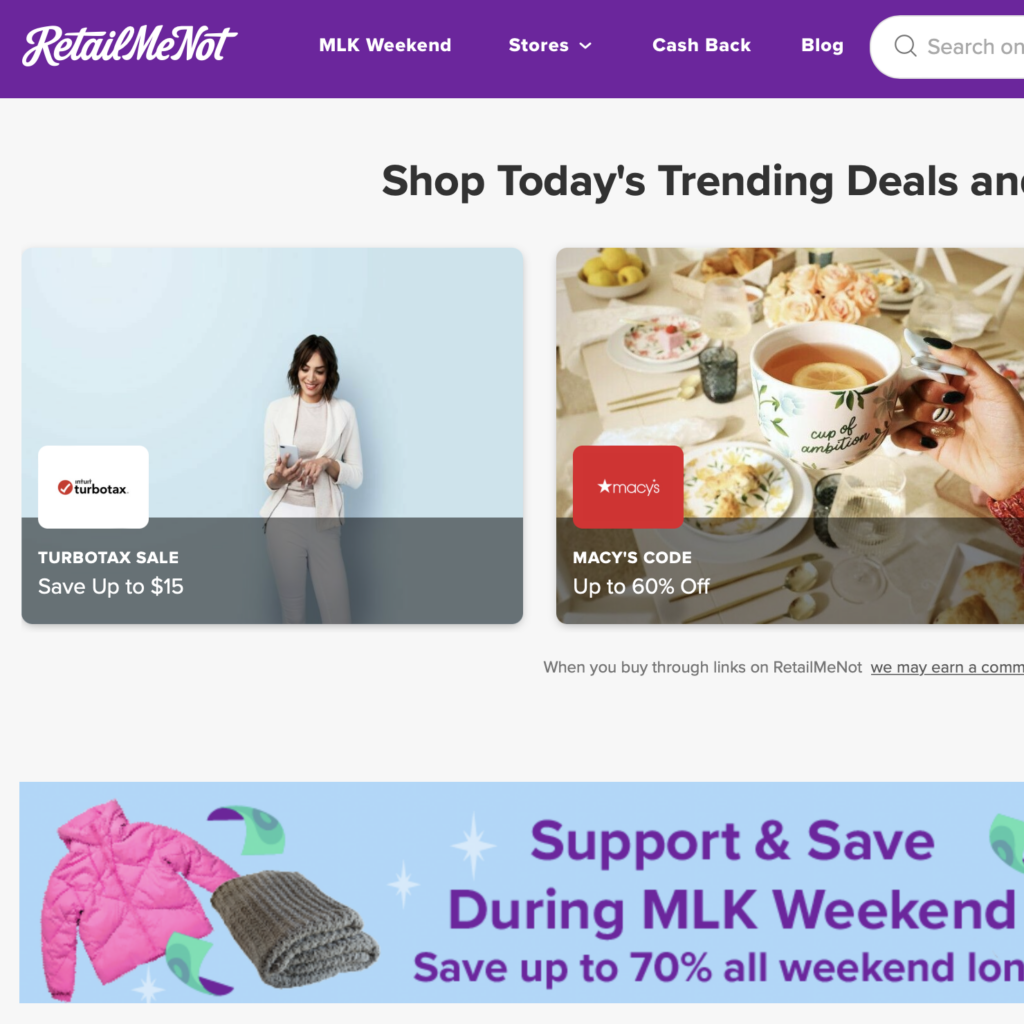
    One example of a company that has used location data to send personalized offers to customers is Starbucks. In 2016, the company launched a feature in their mobile app that uses the customer’s location data to send them personalized offers and discounts when they are near a Starbucks store. According to an article in Forbes, this feature helped to increase sales and customer engagement for the company. Another example is RetailMeNot, a company that uses location data to send users coupons and deals when they are near participating retailers. According to a study by the location-based marketing platform, xAd, location-based mobile coupons have a redemption rate that is 10 times higher than traditional coupons.

    Hyper-personalisation in retail is a strategy that utilizes advanced technologies such as machine learning algorithms, natural language processing and data analysis to tailor the shopping experience for individual customers. 

    This approach allows retailers to offer personalized pricing, product recommendations, email marketing campaigns, chatbot interactions and loyalty programs based on factors such as browsing history, purchase history, location, and perceived willingness to pay. By leveraging these data-driven methods, retailers can create a more engaging and satisfying shopping experience for customers, which can lead to increased sales and customer loyalty. 

    For example, online retailers can use machine learning algorithms to adjust prices for individual customers based on their browsing history, purchase history, and location, while music streaming services like Spotify use machine learning algorithms to recommend music tracks to users based on their listening history and preferences. 

    Additionally, retailers can use data to create highly targeted email marketing campaigns and personalized loyalty programs that reward customers for their specific behaviors and preferences. With the advancement of technology, we can expect to see even more innovative uses of hyper-personalisation in the retail industry in the future.

    As the metaverse becomes more prevalent, retailers will have the opportunity to create virtual storefronts and experiences that are highly personalized for individual customers.

    For example, retailers could use data such as browsing history and purchase history to create customized virtual storefronts for each customer. These storefronts could feature personalized product recommendations, targeted marketing messages, and custom-tailored discounts and promotions. Retailers could also use data such as location, weather and time to personalize the virtual experience for each customer.

    Another way retailers could leverage the metaverse is by creating virtual try-on experiences for customers. For example, a clothing retailer could use AR technology to allow customers to virtually try on clothes in their own home, using their own body measurements and preferences to create a more accurate fit.

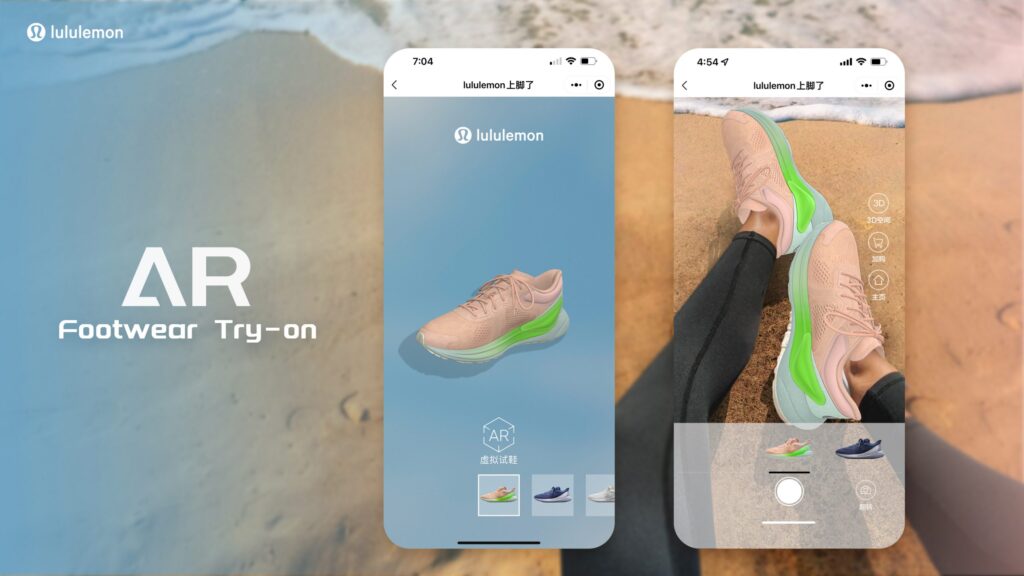
    In recent years, a number of retailers have begun experimenting with the use of Augmented Reality (AR) technology to create virtual try-on experiences for customers. This includes cosmetics retailer Sephora, eyewear retailer Warby Parker, clothing retailer Zara, sportswear brand Adidas and athletic apparel brand Lululemon. These retailers have developed virtual try-on features that allow customers to try on products using their smartphone’s camera, and use AR technology to superimpose the products on the customer’s body or face in real-time.

    The use of AR technology in retail is still a relatively new field, and there is still much research to be done to fully understand its potential benefits and challenges. However, several studies have shown that the use of virtual try-on experiences can improve the customer experience and increase sales. A study by the business research company ABI Research, for example, found that retailers that use AR technology for virtual try-on experiences can see a 20-30% increase in sales.

    Moreover, the use of virtual try-on experiences can help retailers reduce the costs associated with returns and exchanges. A study by the retail marketing company InContext Solutions found that retailers that use virtual try-on experiences can reduce the number of returns by up to 30%.

    Retailers such as Sephora, Warby Parker, Zara, Adidas and Lululemon are among the early adopters of this technology, and they have reported positive results from their use of virtual try-on experiences. These retailers have created mobile apps that allow customers to try on products in real-time, and offer customers an immersive virtual shopping experience that can help them make more informed purchase decisions.

    Retailers could also use the metaverse to create immersive brand experiences that allow customers to interact with products in new and exciting ways. For example, a car manufacturer could create a virtual showroom where customers can explore and interact with different models of cars, or even take them for a virtual test drive.

    Virtual showrooms are an innovative way for car manufacturers to create immersive and interactive experiences for customers. By using virtual reality (VR) and augmented reality (AR) technology, car manufacturers can create virtual showrooms that allow customers to explore and interact with different models of cars in a highly realistic and engaging way. These virtual showrooms can be accessed via VR headsets or AR glasses, and can include features such as virtual test drives, interactive product information and even the ability to customize and configure vehicles in real-time.

    One example of a car manufacturer that is experimenting with virtual showrooms is Mercedes-Benz. The company has developed a virtual showroom that allows customers to explore and interact with different models of cars in a highly realistic and engaging way. The showroom can be accessed via VR headsets, and includes features such as virtual test drives, interactive product information, and the ability to customize and configure vehicles in real-time. The showroom also allows customers to get a detailed look at the vehicles and its features with the help of VR, thus providing an immersive experience.

    Mit der Mercedes cAR App können sich Kunden und Interessenten ihr Wunschfahrzeug auf dem Smartphone oder Tablet individuell konfigurieren und in einer einzigartigen dreidimensionalen Auflösung detailgetreu anzeigen lassen – sowohl von außen als auch von innen und in der Umgebung ihrer Wahl.

    Another example is BMW which is using VR technology to give customers a virtual test drive of their cars, even before the cars are built. This technology allows customers to experience the cars in a highly realistic and engaging way, and also to customize and configure vehicles in real-time, thus providing a more detailed and personalized experience.

    The use of virtual showrooms in the automotive industry is still a relatively new field, and there is still much research to be done to fully understand its potential benefits and challenges. However, several studies have shown that the use of virtual showrooms can improve the customer experience and increase sales. A study by the research firm 

    MarketsandMarkets, for example, found that the global market for virtual and augmented reality in the automotive industry is expected to grow from $1.89 billion in 2020 to $10.82 billion by 2025, at a CAGR of 40.8% during the forecast period.

    In summary, the metaverse provides retailers with new opportunities to create highly personalized and immersive shopping experiences for customers, by leveraging data and technology. While the metaverse is still in early stages of development, it’s likely that retailers will start experimenting with this technology in the near future.

    Hyper personalisation in retail is still a relatively new field, and there’s still much research to be done to fully understand its potential benefits and challenges. Some recent scientific papers that have explored the topic include “Hyper-personalisation: The Future of Retail Marketing” by V.Kumar, M.L. Anderson and J.A. Narus published in Journal of Marketing, and “Hyper-Personalization in E-Commerce: A Literature Review” by J. K. Lee, J. H. Kao, and T. H. Chen, published in Journal of Electronic Commerce Research.

    Conclusions

    In conclusion, hyper-personalisation in retail is a strategy that utilizes advanced technologies and data analysis techniques to create a highly tailored shopping experience for individual customers. This includes things like personalized product recommendations, targeted marketing messages, and custom-tailored discounts and promotions. The goal of hyper-personalisation is to create a more engaging and satisfying shopping experience for customers, which can lead to increased sales and customer loyalty.

    Retailers can use machine learning algorithms to analyze customer data and make personalized product recommendations, use location-based marketing to send targeted promotions and discounts to customers, and create highly targeted email marketing campaigns and personalized loyalty programs. With the advancement of technology, we can expect to see even more innovative uses of hyper-personalisation in the retail industry in the future. As the metaverse becomes more prevalent, retailers will have the opportunity to create virtual storefronts and experiences that are highly personalized for individual customers.

    Recommendations for retailers looking to implement hyper-personalisation in their strategy are:

    • Invest in the necessary technology and data analysis tools to effectively personalize the shopping experience for individual customers.
    • Continuously collect and analyze customer data to stay up-to-date on customer preferences and behaviors.
    • Test and iterate on different personalization strategies to see what works best for your customers and business.
    • Stay aware of privacy concerns and ensure that you are transparent about how customer data is being collected and used.
    • Consider the potential of the metaverse for personalization and stay informed about its development.

    Reference:

  • Hyperautomation

    Hyperautomation

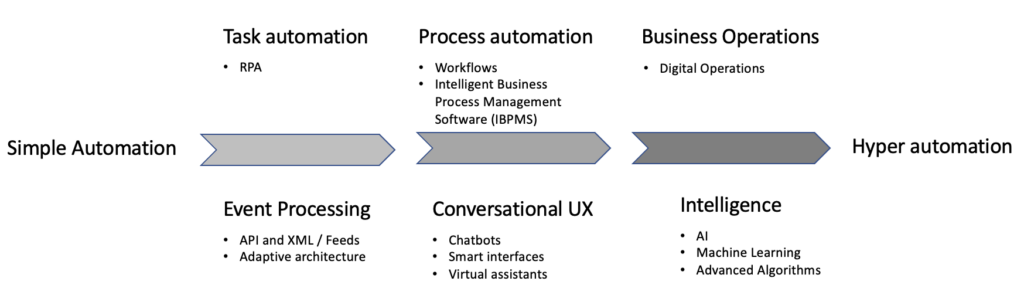
    Hyperautomation is a rapidly evolving technology that has the potential to revolutionize the service industry. It is the integration of advanced technologies such as artificial intelligence (AI), machine learning (ML), robotic process automation (RPA), and process mining to create a more comprehensive automation solution. Hyperautomation enables organizations to automate not only simple, repetitive tasks, but also more complex, knowledge-based processes, leading to increased efficiency and cost savings, as well as improved accuracy and decision-making.

    In the service industry, hyperautomation can be used to automate a wide range of tasks, from customer service to supply chain management. For example, chatbots and virtual assistants can be used to provide quick and accurate responses to customer inquiries, while machine learning algorithms can be used to optimize supply chain logistics. Additionally, hyperautomation can be used to analyze large amounts of data, allowing organizations to gain valuable insights and make more informed decisions.

    In the service industry, hyperautomation can be used to automate a wide range of tasks, from customer service to supply chain management. For example, chatbots and virtual assistants can be used to provide quick and accurate responses to customer inquiries. Companies such as IBM Watson, Amazon Lex, and Google Dialogflow are examples of platforms that provide chatbot and virtual assistant capabilities. Similarly, machine learning algorithms can be used to optimize supply chain logistics. Companies such as Blue Yonder, Llamasoft, and Kinaxis provide solutions that use machine learning to optimize supply chain operations. Additionally, hyperautomation can be used to analyze large amounts of data, allowing organizations to gain valuable insights and make more informed decisions. Companies such as Alteryx, RapidMiner, and DataRobot provide solutions for data analysis and predictive modeling. One example of a project that uses hyperautomation in supply chain management is Walmart’s use of AI-powered robots to monitor and track inventory in their warehouses. Another example is the use of chatbot in banking industries such as Wells Fargo, which uses AI-powered chatbot to provide quick and accurate responses to customer inquiries.

    However, implementing hyperautomation in the service industry is not without its challenges. To prepare for hyperautomation, organizations need to take several basic steps. First, they need to assess their current automation capabilities and identify areas where they can benefit from hyperautomation. Second, they need to develop a clear strategy and governance structure for implementing hyperautomation. This should include clear guidelines for ethical use, data privacy, and security. Third, organizations need to invest in the necessary skills and resources to implement and manage hyperautomation. This may include hiring new staff with expertise in AI, ML, and RPA, or providing training to existing employees.

    In conclusion, hyperautomation is a powerful technology that has the potential to revolutionize the service industry. However, organizations need to take the necessary steps to prepare for it. This includes assessing their current automation capabilities, developing a clear strategy and governance structure, and investing in the necessary skills and resources.

    References:

  • E-commerce B2B outlook 2023

    E-commerce B2B outlook 2023

    E-commerce has come a long way since its inception and is continually evolving. In the coming year of 2023, we can expect to see a greater emphasis on personalization, convenience and user experience. One of the major trends that will gain momentum in 2023 is the use of artificial intelligence and machine learning in e-commerce. These technologies will be used to create more personalized shopping experiences for customers, with targeted product recommendations and customized search results. This will have a significant impact on web shop search engines, as they will need to adapt to these new technologies in order to remain competitive.

    Machine Learning

    As AI and machine learning continue to advance, e-commerce businesses will be able to gather more data on customer behavior and preferences, which will allow them to make even more accurate product recommendations. Additionally, AI-powered chatbots will become more common on e-commerce websites, providing customers with quick and efficient customer service.

    B2B to B2C

    Another trend that is likely to grow in 2023 is the blurring of the lines between B2B and B2C e-commerce. Business-to-business buyers are increasingly looking for the same convenient and user-friendly experiences that consumers have come to expect. This means that B2B e-commerce platforms will need to adopt more B2C-style interfaces, with easy-to-use navigation, intuitive product search, and a focus on customer service. This will allow B2B businesses to streamline their purchasing process and make it more efficient for their customers.

    B2C (business-to-consumer) and B2B (business-to-business) e-commerce have some similarities, but there are also significant differences in terms of the technologies that are used.

    In B2C e-commerce, the focus is on providing a personalized and convenient shopping experience for the consumer. As such, some of the most important technologies for B2C e-commerce include:

    • Personalization: Technologies such as artificial intelligence and machine learning are used to provide personalized product recommendations and customized search results based on a customer’s browsing history and purchase history.
    • Mobile optimization: With more and more people using their smartphones to shop online, it is essential for e-commerce websites to provide a seamless mobile experience. This includes responsive design, mobile-specific checkout processes, and mobile payment options.
    • Social media integration: Many B2C e-commerce businesses use social media platforms like Facebook, Instagram, and Pinterest to connect with customers and promote their products.
    • Marketing automation: Platforms like Hubspot, Marketo, and Pardot can be used to automate marketing tasks such as email marketing, social media advertising, and customer segmentation.
    • Customer service automation: Chatbots and virtual assistants can be used to provide quick and efficient customer service, answering common questions and helping customers navigate the website.

    In B2B e-commerce, the focus is on streamlining the purchasing process for businesses and providing a convenient and user-friendly experience. Some of the most important technologies for B2B e-commerce include:

    • ERP integration: B2B e-commerce platforms often integrate with enterprise resource planning (ERP) systems in order to streamline the purchasing process and make it more efficient for customers.
    • EDI integration: Electronic Data Interchange (EDI) is a standard format for electronic business transactions, which is often used in B2B e-commerce to automate order fulfillment and inventory management.
    • CRM integration: B2B e-commerce platforms often integrate with customer relationship management (CRM) systems in order to provide a more personalized shopping experience for businesses.
    • Procurement automation: Platforms like SAP Ariba and Oracle Procurement Cloud can be used to automate the purchasing process and make it more efficient for businesses.
    • Invoicing and payment automation: Platforms like Bill.com and Invoice2go can be used to automate invoicing and payment processes, making it easier for businesses to manage their finances.

    In conclusion, the trend of blurring the lines between B2B and B2C e-commerce is likely to grow in 2023, as business-to-business buyers are increasingly looking for the same convenient and user-friendly experiences that consumers have come to expect. This means that B2B e-commerce platforms will need to adopt more B2C-style interfaces, with easy-to-use navigation, intuitive product search, and a focus on customer service. This will allow B2B businesses to streamline their purchasing process and make it more efficient for their customers. The use of technologies such as AI, machine learning, ERP integration, EDI integration, CRM integration, procurement automation and invoicing and payment automation will help in achieving this. Businesses that are able to adapt to these trends will be well-positioned to remain competitive in the e-commerce industry.

    Mobile

    In terms of user experience, we can expect to see a greater emphasis on mobile optimization in 2023. With more and more people using their smartphones to shop online, it will be essential for e-commerce websites to provide a seamless mobile experience in order to stay competitive. This will also likely involve the use of augmented reality and other immersive technologies to enhance the shopping experience on mobile devices. Augmented reality allows customers to see how a product will look in their home before they make a purchase, which can be a valuable tool in the e-commerce industry.

    Mobile B2B e-commerce has become increasingly important as business buyers are utilizing their mobile devices for researching and purchasing products. A responsive design is essential for mobile B2B e-commerce as it allows for an optimal user experience, regardless of the screen size or resolution of the device being used.

    A study by Forrester Research found that 72% of B2B buyers research products on their mobile devices before making a purchase. This means that a responsive design is crucial for B2B e-commerce, as it allows for easy navigation and access to information on mobile devices, which can improve the chances of a sale. A non-responsive design can lead to a poor user experience and a loss of potential sales.

    In addition to improving user experience, a responsive design also has several other benefits. It can improve search engine optimization (SEO) by making it easier for search engines to crawl and index the website, it can also improve the site’s security, and it can help to maintain consistency of the brand across all platforms.

    Therefore, responsive design is a crucial aspect for mobile B2B e-commerce. It improves user experience, increases the chances of a sale and improves overall website performance.

    Conclusion

    To sum up, 2023 will be a year of significant changes in e-commerce. The use of AI, machine learning and other technologies will revolutionize the way we shop online, and B2B e-commerce will adopt more B2C type interfacing to provide a seamless user experience. Businesses will have to adapt to these trends in order to stay competitive in the e-commerce industry.

    References:

  • Digitalisation of customer service

    Digitalisation of customer service

    Digitalisation has changed the way customer service organisations operate, enabling them to automate processes and improve customer interactions. One way to achieve this is by implementing e-mail parsing and generation, which can help companies to better understand customer needs and respond more efficiently.

    E-mail parsing is the process of automatically extracting information from incoming e-mails. This can include data such as customer names, order numbers, and specific requests. E-mail generation, on the other hand, is the process of automatically creating e-mails based on pre-written templates and specific customer information. Together, these two techniques can help companies to quickly and accurately respond to customer inquiries, reducing response times and improving overall customer satisfaction.

    There are several benefits to implementing e-mail parsing and generation in customer service organisations. One of the main benefits is that it can significantly reduce response times. According to a study by McKinsey, companies that have implemented automation in their customer service processes have seen a 20-30% reduction in response times (1). This is because automated e-mail responses can be sent almost immediately, without the need for a human customer service representative to manually respond.

    Another benefit of e-mail parsing and generation is that it can increase efficiency. By automating repetitive tasks, such as responding to common customer inquiries, companies can free up their customer service representatives to focus on more complex tasks. This can lead to more efficient use of resources and a higher level of productivity. According to a study by Accenture, companies that have implemented automation in their customer service processes have seen a 20-30% increase in efficiency (2).

    In addition to reducing response times and increasing efficiency, e-mail parsing and generation can also improve customer satisfaction. By providing customers with quick and accurate responses, companies can help to build trust and loyalty. A study by Forrester Research found that companies that have implemented automation in their customer service processes have seen a 15-20% increase in customer satisfaction (3).

    Implementing e-mail parsing and generation in a customer service organisation can be relatively simple. One way to get started is by using e-mail parsing software, such as Clearbit or Parsey, to extract customer information from incoming e-mails. This information can then be used to automatically generate responses using e-mail generation software, such as Boomerang or Mixmax. Companies can also use pre-written templates to ensure that all responses are consistent and accurate.

    Another way to implement e-mail parsing and generation is by using a customer service platform, such as Zendesk or Salesforce Service Cloud. These platforms often include built-in e-mail parsing and generation features, making it easy for companies to get started. In addition, these platforms often include other customer service automation features, such as chatbots and ticket management, that can help companies to improve their customer service processes even further.

    In conclusion, e-mail parsing and generation can significantly improve customer service organisations by reducing response times, increasing efficiency, and improving customer satisfaction. Companies can easily implement this form of digitisation by using e-mail parsing software, e-mail generation software, or customer service platforms. As digitalisation continues to evolve, we can expect to see even more advanced forms of automation, such as natural language processing and machine learning, that will further improve customer service processes and customer satisfaction.

    References

    McKinsey. (2019). The future of customer service: Four trends to watch. Retrieved from https://www.mckinsey.com/industries/high-tech/our-insights/the-future-of-customer-service-four-trends-to-watch

    Accenture. (2019). The future of customer service: How automation is transforming the customer experience. Retrieved from https://www.accenture.com/us-en/insights/customer-service/customer-service-automation

    Forrester Research. (2018). The future of customer service: How automation will change the game. Retrieved from https://www.forrester.com/report/The+Future+Of+Customer+Service+How+Automation+Will+Change+The+Game/-/E-RES146962